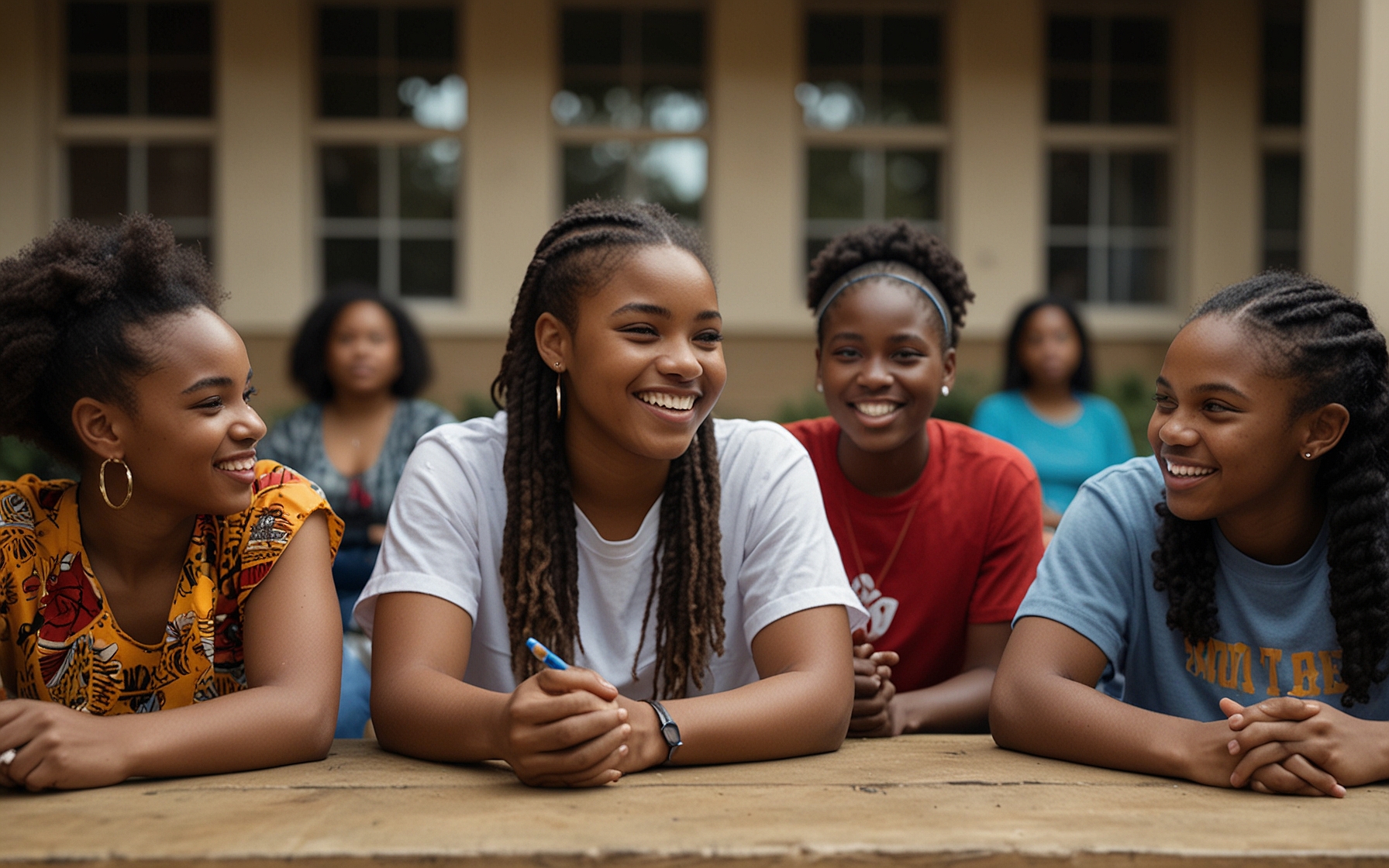
Youth voices are reshaping how social impact gets done. Across the African diaspora and among African American students, mentorship, leadership programs, and community rooted advocacy are lifting ideas that might have been overlooked before. The momentum is real because young people are not waiting for permission. They want practical skills, policy wins, and space to innovate. When nonprofits and schools listen with care and then share power, change speeds up. It doesnt just show up in speeches. It shows up in scholarships, in alumni networks, in youth led funds, and in new civic pathways that carry a project from a local room to a national conversation.
Who is centering youth voices
Several nonprofits are proving what happens when you invest early and stay consistent. The National Black Child Development Institute has built a National Village Network that connects early learning with family advocacy. Through programs like Lifted Voices and policy work such as the Black Child National Agenda, communities organize around the specific needs of Black children and students. The National Urban League is moving economic self reliance from theory to practice through Project Ready with STEAM education and Urban Youth Pathways. In 2022 Urban Youth Pathways supported more than 2,200 vulnerable young people with workforce preparation that can open first jobs and future careers.
On the higher education front, the Thurgood Marshall College Fund supports 53 HBCUs with scholarships and policy leadership. In 2020 the fund awarded 5.3 million dollars to 1,806 Black students, while the Dr. N. Joyce Payne Center advances social justice policy that makes those scholarships go even further. The United Negro College Fund adds scale by awarding more than ten thousand scholarships every year and by pushing for policies that remove barriers to college for African American students. Direct mentorship also remains a backbone for voice and agency. 100 Black Men of America aligns education, health, and economic empowerment through its Four for the Future model, and more than 125,000 youth have engaged with efforts like Wallet Wise and Health Care 2.0. Alpha Kappa Alpha Sorority uplifts middle school youth through the Youth Leadership Institute, a youth led experience for ages 11 to 13 that builds skills in STEM, the environment, culture, and careers, while also activating social justice in communities. For high schoolers, the Common Ground Foundation’s Dreamers and Believers helps students grow into community builders through fine arts and college readiness. None of these programs feel abstract. They are hands on. They are built for growth and for agency.
How mentorship grows leaders
Leadership sticks when young people see a path they can trust. Organizations like 100 Black Men and the Common Ground Foundation show that consistent mentorship creates long term leaders who return to lift others. Many chapters extend alumni programs into college so a young person doesnt have to start over at each transition. Inside Alpha Kappa Alpha, YLI and Sister Circles create small communities where participants set goals, hold each other accountable, and practice public voice. That is how confidence builds. It turns reflection into action and then into results.
Philanthropy is also part of the pipeline. The Black Philanthropy Initiative in Arizona runs SEED, a youth led fund where Black high school and college students design giving strategies and direct resources. This is real power because it teaches financial decision making, community listening, and grantmaking at the same time. When youth lead the process, they learn how to weigh tradeoffs and how to say yes with clarity. They also learn when to say not yet so programs dont get over extended. Over time these habits make local leadership sturdier and more inclusive.
Civic engagement that scales
Policy change and civic training are evolving together with youth at the center. NBCDI and the National Urban League continue to back policies that dismantle systemic racism. One visible example is the FUTURE Act, which secured 2.55 billion dollars for HBCUs. Funding at that level strengthens campus programs, research, and student support where youth voices already live. For internationally minded changemakers, the Sir Cyril Taylor Young African Leaders Program will convene ten leaders from Sub Saharan Africa between ages 18 and 35 in 2026. Participants receive skills training, mentorship, seed funding, and the chance to join the AFS Youth Assembly, building a network that can carry a local solution across borders. Alpha Kappa Alpha’s advocacy work gives communities tools to mobilize, and it spotlights the leadership of African American women in politics. The Laudato Youth Initiative is bringing technology into responsible digital advocacy that matches local values, helping school based teams in African contexts learn how to use new tools without losing sight of community roots. Together these efforts show that civic engagement is not a single event. It is a ladder with many sturdy rungs.
Trends to watch now
A few patterns stand out across programs that are working in real life. First is mentorship that blends local chapters with national platforms. NBCDI’s Village Network is a strong example because it nurtures local voice then links it to broader advocacy so lessons can travel. Second is youth led innovation with practical support. The African Impact Challenge backs early innovators who are solving African problems and pairs them with scholarships and work placements, including for diaspora youth who want to contribute with skill and humility. Third is the power of global networks. Fully funded cohorts like Sir Cyril Taylor help leaders replicate impact for more than one hundred peers in their home communities. Finally there is a best practice that keeps showing up. Grassroots and local integration works. YMCA Youth Led Solutions and Girls Inc. through #BlackGirlFuture both elevate youth stories, build safe spaces, and use social media to confront bias. Digital inclusion is not an add on anymore. It is part of how young people discover their civic voice.
Five steps to act today
Here are simple actions you can take right now to foster youth voices in social impact. Start with one step and keep going. Over time it builds trust and momentum alot faster than a big complicated plan.
- Join mentorship programs. Encourage African American students to enroll with 100 Black Men or the Common Ground Foundation for leadership growth. If you are an adult mentor, apply to volunteer and commit to steady support across the school year.
- Launch a youth led initiative. Start a local fund inspired by SEED or build a new YLI chapter with clear roles for ages 11 to 13. Center youth in decisions, from goal setting to budgeting to storytelling.
- Apply for global opportunities. If you are in the African diaspora or on the continent, prepare to submit for the 2026 Sir Cyril Taylor Young African Leaders Program. Watch for the February 2026 timeline and line up your mentors and references early.
- Advocate locally with purpose. Host a story sharing drive or a community fundraiser that supports NBCDI or TMCF. Focus on how policy and scholarships work together so donors and neighbors understand the bigger picture.
- Leverage digital tools for inclusion. Use campaigns modeled on Girls Inc. to create moderated youth forums that educate peers on social impact. Pair online sharing with in person circles so learning sticks.
Fostering youth voices is not a trend. It is a design choice that changes who leads and how communities grow. The organizations and programs above already show a blueprint that spans early learning, mentorship, scholarships, civic training, and digital action. If we keep resourcing what works and keep handing the mic to young people, we will see stronger schools, stronger neighborhoods, and a stronger civic commons. The next move is yours. Start small, stay patient, and keep listening even when it is messy. That is how trust turns into impact.
#Youth #Voices #Leadership #Impact #Community