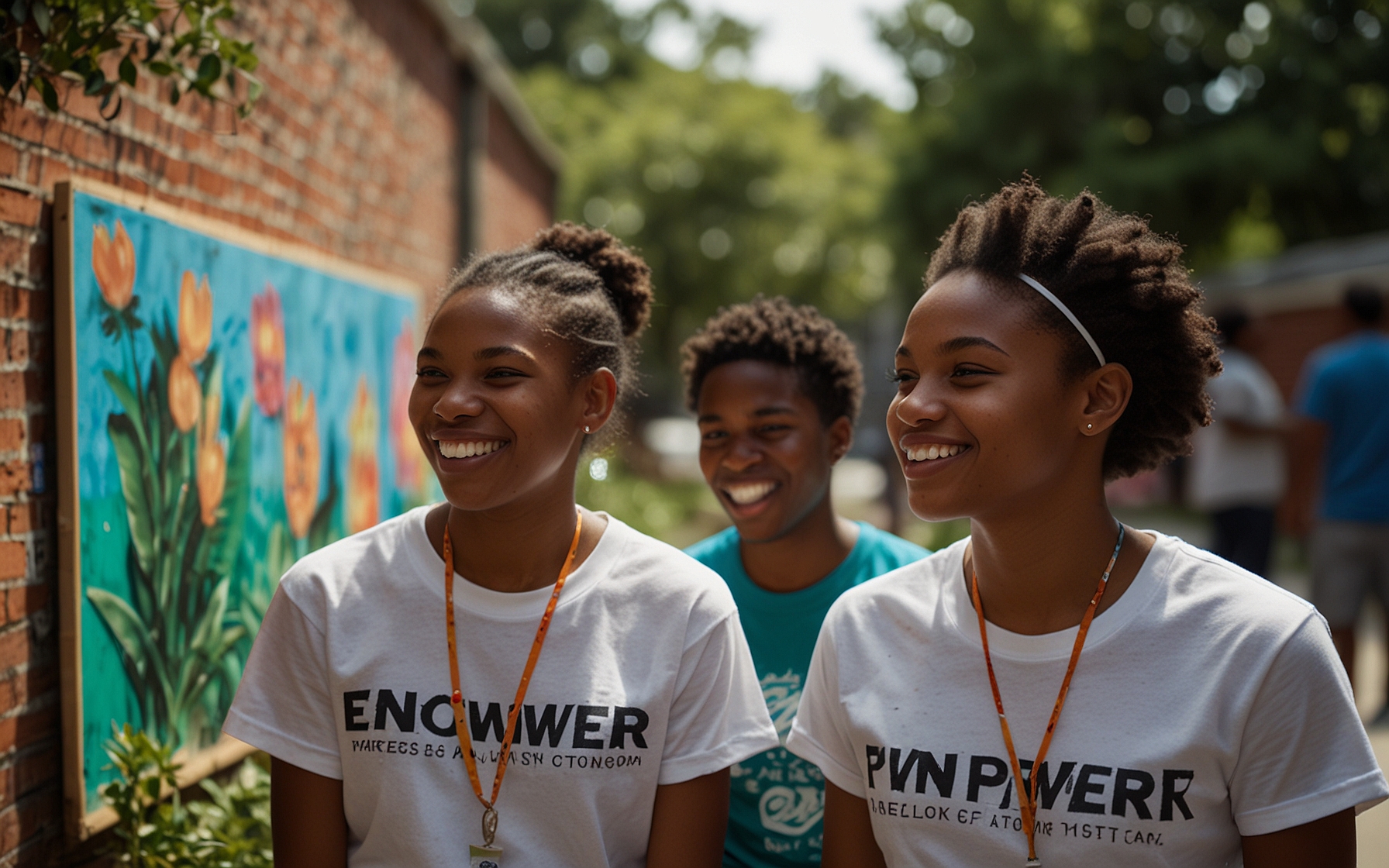
Youth across the African diaspora and among African American students are not waiting for permission. They are reshaping schools, strengthening health systems, building new paths to decent work, and using digital organizing to connect local work with big policy frames. Institutions are responding too, from the African Union to school districts and universities, so youth led ideas can scale. This is what community revitalization looks like when grassroots energy meets programs and platforms that back it with training, funds, and visibility. Progress can feel slow or messy sometimes, but the direction is clear and the momentum keeps growing.
Policy momentum is real
The African Union places youth at the center of Agenda 2063 and affirms rights in the African Youth Charter. That stance is backed by tools like National Youth Councils and youth scorecards that aim to embed youth voice in real decisions. AU programs, including the African Union Youth Volunteer Corps, Young Professional Programs, and the One Million Next Level Initiative, expand leadership and work experience. Transnational platforms are rising too. Youth TICAD 2055 casts young Africans as co designers of long horizon priorities, while the Africa CDC Youth Program links empowerment with health security and public trust.
- Align campus or community projects with the African Youth Charter and Agenda 2063 to gain partners and legitimacy.
- Use youth scorecards to track local impacts on Black and African diaspora youth and share the data openly.
- Replicate National Youth Council style structures on your campus or in your city to formalize youth in budgets and oversight.
When governance centers youth not as guests but as decision makers, revitalization accelerates becuase accountability grows alongside creativity.
Campus pivot points
Student led change is moving institutions. Chicago Public Schools is launching the Black Student Success Plan in February 2025 after years of advocacy. The plan lifts up culturally responsive curriculum, rigorous coursework, and family and community empowerment. It invests in learning that confronts bias and anti Blackness, recruits and supports Black educators, and pushes system level policy so resources flow fairly. In the Bay Area, 10,000 Degrees created a Black Student Engagement Program in 2025. Black college students serve as near peer mentors, build supportive campus communities, and connect with Black Student Unions and local groups. A dedicated Black Student College Fund helps reduce debt and boost completion. Nationally, the NAACP’s 2025 agenda pushes debt free pathways by expanding aid and doubling Pell Grants, while the Strada Education Foundation’s HBCU Initiative strengthens the cultural and economic impact of HBCUs. UC Berkeley’s Black Critical Theory Initiative gives students tools to analyze power and feed that thinking back into organizing and community education.
- Organize a Black Student Success campaign with three demands. Culturally responsive courses, data transparency, and more hiring and support for Black faculty.
- Launch peer led mentorship modeled on the Black Student Engagement Internship and include local high schoolers.
- Join debt free education efforts by aligning with the NAACP agenda in your city or state.
Students dont just consume education. They shape it, and neighborhoods feel the gains when they do.
Activism that protects and builds
Black Gen Z organizers in the United States and across the diaspora are leading multi issue movements that connect racial justice, LGBTQ+ rights, voter engagement, and policy change. They blend social media and storytelling with on the ground coalition building, strikes, voter drives, and legislative pushes. Advocacy groups warn that initiatives like Project 2025 would weaken anti discrimination and worker protections and restrict access to quality education, including college routes for Black students. Youth led movements are responding by defending honest curriculum, resisting censorship, and organizing to protect student loan relief and income based repayment that matter alot for Black graduates. At state and city levels, forums like the State of Black Children in Texas 2025 elevate youth perspective and data to shape school and city agendas.
- Follow and support Black Gen Z organizers and study how they pair digital storytelling with fundraising and in person coalitions.
- Hold teach ins on policies like Project 2025 and connect the dots to your local schools and budget fights.
- Host a State of Black Youth forum and bring proposals to boards and councils with clear next steps.
This mix of cultural power and policy power keeps communities safe while moving them forward. It is not either or. It is both and, everyday.
Local empowerment and diaspora investment
On the ground in Africa, the CJIFA 2025 Community Empowerment Grant backs youth and women led organizations with annual incomes under 80,000 USD. Small grants of 5,000 to 8,000 USD support climate engagement, clean energy and environmental justice, accountability in services, and inclusion for marginalized groups. The Africa CDC Youth Program trains young leaders to strengthen health systems, counter misinformation, and build resilience to public health threats. In the broader diaspora, the Tesfazghi Foundation’s 2025 Flagship Report sets a path to provide 5,000 scholarships by 2030 and to support skills development and community projects. Hubs for connection are multiplying. The African Descent Summit 2025 in Toronto centers recognition, justice, and development and gives youth and emerging leaders platforms to shape the future. The African Diaspora Impact Summit 2025 in London positions next gen innovators to pitch to global investors, while the GAIN Youth Summit 2025 brings young Africans and diaspora youth together online for entrepreneurship, leadership, and mentorship.
- Apply for CJIFA style grants with a clear plan for community climate solutions and shared accountability.
- Create campus health ambassador programs that mirror Africa CDC youth training to share accurate information in your neighborhood.
- Pitch community focused ventures at diaspora impact summits and map mentors and funding for the next year.
If young leaders get modest funding plus mentorship and networks, outcomes grow faster than money alone could deliver.
Culture and the playbook that works
Culture is not an add on. The African Descent Summit puts art and culture at the center because visibility builds pride and cross diaspora connection, which then fuels action. Intellectual work matters too. The Black Critical Theory Initiative equips students to interrogate power and design strategies that are liberatory and practical. Storytelling platforms highlight young Black trailblazers and Gen Z organizers whose paths include policy work, mutual aid, and creative organizing. From these efforts, a common playbook keeps showing up that communities can adapt quickly.
- Center youth governance, not just participation. Put youth into decision rooms, budgets, and accountability processes.
- Pair funding with mentorship and institutional backing. Money plus networks beats money alone every time.
- Leverage diaspora capital and knowledge so investment, skills, and connections flow both ways across the Atlantic.
Across campuses, neighborhoods, and the wider diaspora, the through line is clear. Youth are already leading and institutions are catching up. When policy frameworks, campus reforms, activism, local grants, diaspora capital, and culture line up, we do not just describe revitalization. We live it, and we scale it. Its imperfect and sometimes jagged at the edges, but it works because it is owned by the people closest to the problems and the possibilities.
#youth #community #diaspora #leadership #empowerment