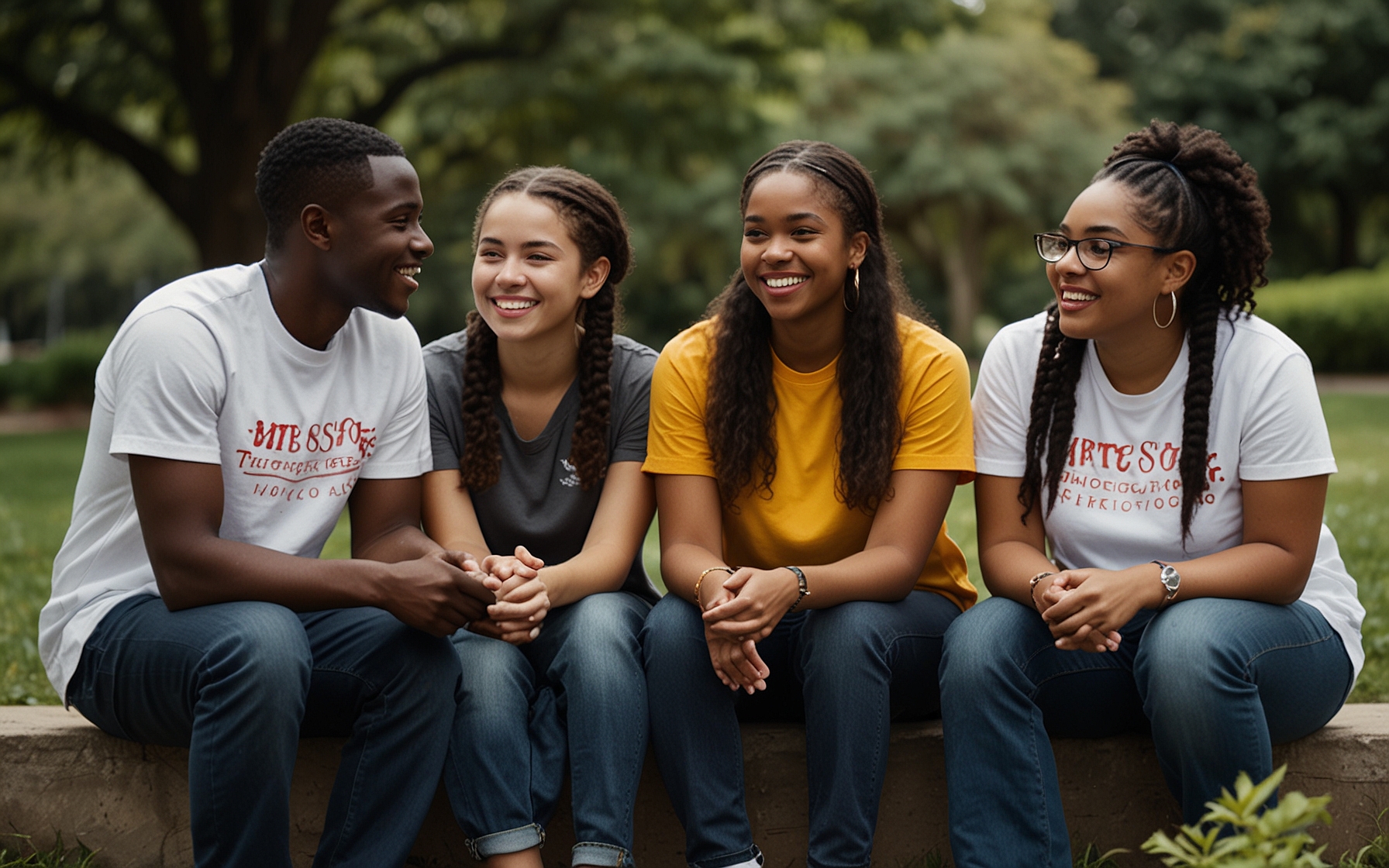
Mentorship is changing how young people grow, learn, and step into leadership. Across the African diaspora and among African American students and young adults, the right match can turn uncertainty into real momentum. What is different now is focus. Programs are centering cultural relevance, virtual access, and the removal of barriers that used to keep promising talent on the sidelines. From STEM and economics to counseling and entrepreneurship, mentors who share lived experiences help reduce isolation and build confidence. When guidance is tailored and consistent, persistence rises and new doors open that many didnt even know were there.
Why mentorship matters now
The new wave of mentorship is personal and practical. It starts with trust. Many African American STEM mentors talk about building genuine friendships, doing regular check ins, and walking through academic or career challenges together. That rhythm feels different from one off advice. It creates a steady path that students can follow when classes get tough or when early career steps feel confusing. The result is stronger persistence and a sense that you are not doing this alone.
Another shift is how programs honor identity and context. Culturally tailored and peer to peer models are bringing in more voices and expanding pipelines. In 2026 there is a growing call for more Black mentors across fields, not as a token, but as a core driver of innovation and inclusion. These mentors help mentees navigate systems that were not built with them in mind. They also help organizations listen better and remove frictions that slow down talent. The collective effect is real and it shows up in higher confidence, better networks, and a clearer shot at long term success.
STEM pipelines that stick
STEM is a powerful example of mentorship at work. Initiatives are addressing underrepresentation by pairing young people with mentors who know the terrain and share lived experiences. Programs like STEM Advantage and Black In Neuro connect Black youth with guidance through higher education and neuro related fields. These matches help students see what is possible, understand the steps, and manage the hard parts that dont always show up in a course syllabus.
Hands on learning is expanding too. Black Girls Do STEM, The Hidden Genius Project, and TechCORE2 offer workshops, coding projects, and even entrepreneurship training that start early and build skills over time. Support from groups like the Harris Foundation and the Blue Heart Foundation adds scholarships, internships, and workshops. That mix builds confidence and lifts career aspirations. It also responds to what students say they need most. Community, practice, and someone to call when they hit a wall. A big trend for 2026 is more peer to peer and culturally tuned mentoring that challenges stereotypes and keeps talent in the pipeline. When young people meet mentors who look like them and who have navigated the same spaces, the path feels real and reachable.
Career networks with real lift
Beyond the classroom, professional mentorship is raising the ceiling on what early career talent can do. The AAAWE Virtual Mentorship Program runs March through November 2026 and pairs African women economists, both in Africa and across the diaspora, with experts who can help with research, grants, and career advice. Applications are due March 1, 2026. The focus on research feedback and funding strategies is practical and immediate, which makes progress visible. AAAWE also benefits from World Bank support, which signals that the work connects to real policy impact.
Leadership growth shows up in finance and statistics too. The African American Credit Union Coalition hosts a six month program with one on one virtual sessions that build management and leadership skills. The 2026 cohort is coming up and it continues to grow leaders who influence member services and community outcomes. In statistics, the Committee on Minorities in Statistics will run the 2026 Diversity Mentoring Program at JSM in Boston, with funding support that helps remove travel and cost barriers. SACNAS adds a strong peer to peer model through its SACRED Mentoring, supporting researchers and students across STEM journeys. Together these networks offer a ladder of support, from skill building to sponsorship, that turns good potential into career lift.
Well being and youth empowerment
Personal growth is part of the story. In mental health, the National Association of Black Counselors builds networks for Black clinicians and counselors to connect, grow skills, and serve communities more effectively. These mentor circles highlight practices like reciprocal learning and confidentiality in virtual formats. That matters for work life balance and for the kind of honest reflection that keeps professionals grounded and effective. When mentors and mentees share similar lived experience, conversations about burnout, ethics, and resilience can stay real and useful.
Youth programs are also stepping up. The 2026 Youth Ambassadors Africa Program from the U.S. Embassy pairs sub Saharan African high school students with adult mentors. The exchange runs July 8 through 30, 2026. It is a short window, but it creates powerful exposure and a support system that can last beyond the travel dates. Young people get room to practice leadership, learn across cultures, and return home with a plan. Adult mentors gain insight too, which is why the best programs treat mentoring as a two way street where everyone grows.
Entrepreneurship and how to start
Mentorship is shaping business leadership as well. The African Diaspora Network’s ABLE initiative provides guidance and access to funding for U.S. based African and diaspora led businesses. That mix of mentorship and capital pathways sparks social impact and helps founders move from idea to traction. The Hidden Genius Project also blends tech training with leadership for Black male youth, linking skills to entrepreneurship and community problem solving. When tech fluency meets mentors who open doors, young leaders can build ventures that reflect their communities and ambitions.
- Seek a strong match. If you are an African woman economist, explore the AAAWE 2026 virtual program. If you are in counseling, consider the National Association of Black Counselors. Ask for mentors who align with your goals and values.
- Join a STEM community. Look at Black Girls Do STEM or The Hidden Genius Project for workshops and peers. TechCORE2 offers coding practice that builds real confidence. STEM Advantage and Black In Neuro add role models who know the path.
- Use virtual sessions well. Prepare questions, request research feedback, and map grant strategies. Track progress with certificates or milestones so you can show growth. Little wins stack up fast.
- Advocate for support. If travel is a barrier, the 2026 diversity mentoring in statistics includes funding help. Speak up about what you need to stay engaged. Many programs can flex more than you think.
- Practice reciprocity. Learn and give back at the same time. SACNAS mentoring circles show how peer support lifts everyone, and you can model that in your own group or lab.
- Mentor others when you can. STEM Advantage and similar efforts welcome volunteers. Teaching what you know deepens your own skills and grows the pipeline. You dont have to wait to be senior to help.
I know it can feel like you have to do it all yourself, but you really dont. The ecosystem described here shows alot of ways forward. There are mentors in STEM labs and coding rooms. There are mentors in economics departments and credit unions. There are mentors in counseling networks and startup hubs. Each one adds a layer of guidance, community, and opportunity that helps the next generation rise. If you take one step this week, make it a conversation. Reach out to a program that fits your path, ask for a match, and commit to regular check ins. Mentorship matters because you matter, and when you grow, the whole community grows with you.
#mentorship #growth #career #youth #empowerment