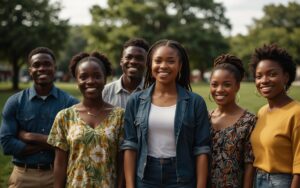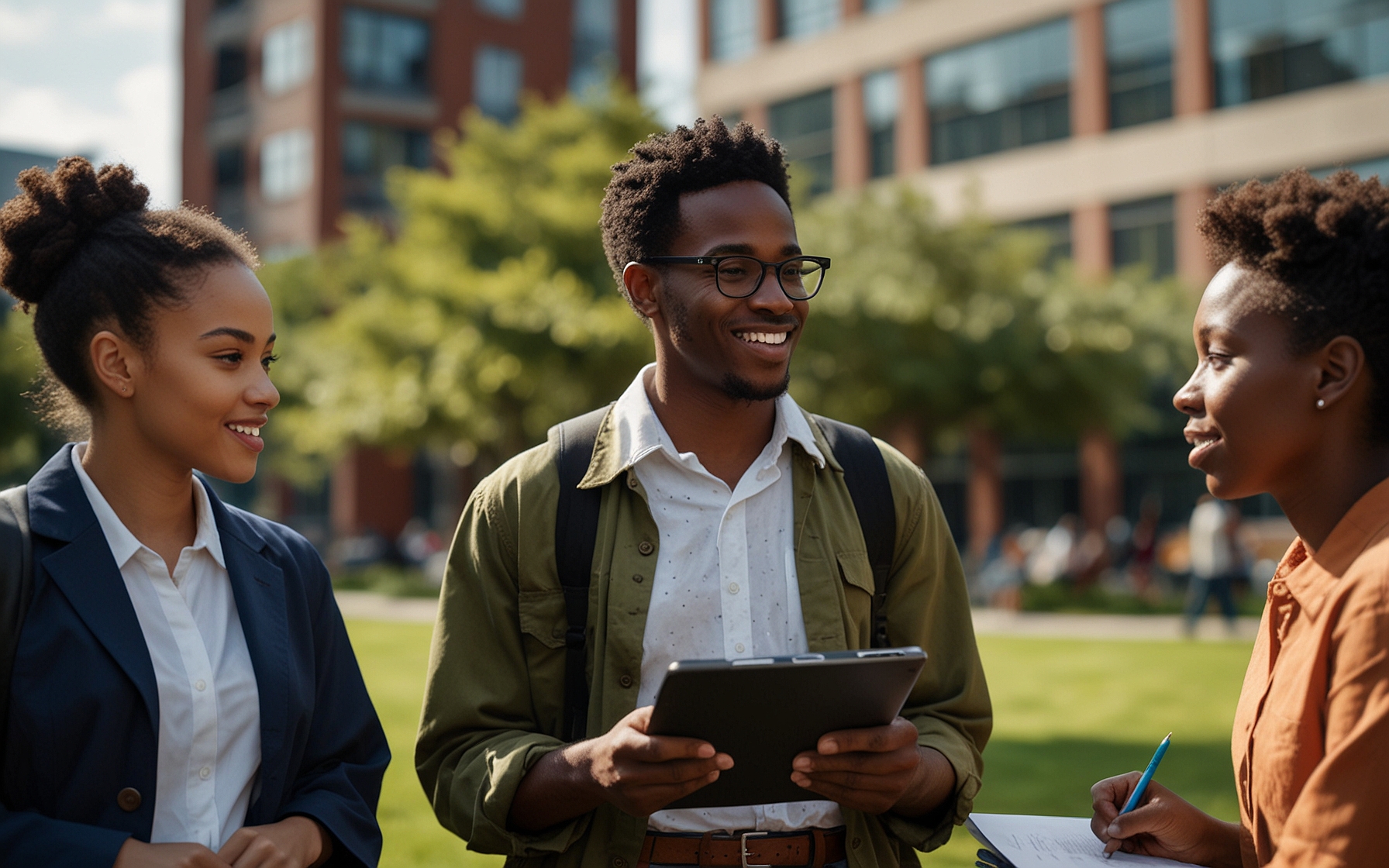
Mentorship changes the story for African American students and youth across the Diaspora. When students connect with mentors who share culture, values, and lived experience, they build confidence and belonging that classes alone dont deliver. Programs grounded in culturally rooted practice create villages where young people try, learn, and try again. The results show up in real metrics like higher GPAs and retention that climbs to about 73 percent versus 63 percent for some non mentored peers. In the last few years we have seen sharper focus on peer, faculty, and community efforts that close gaps in retention and heal cultural disconnection. I have watched how a mentor steps in and shifts a students belief about school and self, and that shift sticks.
Community Roots
In the social impact space, programs grounded in African diasporic traditions are lifting students in ways that feel both practical and personal. The African American Mentorship Program at UC Santa Cruz, founded in 2012, pairs first year students with mentors who share interests and goals. It blends professional development with a strong sense of community and is open to all while centering African Diaspora transitions into college. At San Diego State University, AAMP has been running since 2001 and supports more than 300 undergraduate and graduate students of African descent. They use mentoring villages to address mental, emotional, and psychological needs, treating wellness as a core part of academic success so students can persist when stress runs high.
Community partnerships extend the reach. Big Brothers Big Sisters collaborates with African American fraternities like Alpha Phi Alpha, Kappa Alpha Psi, and Omega Psi Phi to deliver one on one mentoring for boys through friend raisers and recruiting drives that place caring adults in a childs week. For girls and young women, the Black and Brown Girl Mentoring Movement by MENTOR tackles discipline gaps, trauma, and workforce barriers. It offers curricula, toolkits, and affiliate support that build self worth and ambition so mentees see bigger futures and move toward them step by step. These programs feel like a village, not a service, and that feeling matters.
Leadership Pipelines
Leadership is not a side benefit, it is a central outcome of strong mentoring. The Legacy Mentoring and Leadership Program at Northeastern, active since 1995, trains upperclassmen mentors and matches them with first year students from the African Diaspora. Mentors keep at least four hours of interaction each semester, hold a GPA of 2.8 or higher, and guide peers through workshops on leadership, wellness, and goal setting. It is rigorous and caring at the same time, a mix that builds responsibility and trust while helping new students navigate campus life without feeling alone.
Newer and evolving efforts open doors right at key transitions. The Augusta University Brotherhood Program, with 2026 to 2027 applications opening in January 2026, supports first year African American males with mentorship, leadership pillars, and the Jags4Jags one stop mentoring approach. Students set academic and career goals and get coaching that ties directly to campus resources. The Disney Dreamers Academy selects 100 diverse high school students each year, including many African Americans, for a mentorship experience that teaches them to dream bigger and act smarter, with alumni moving into fields like medicine and engineering. For students eyeing technical paths, the AMSTAT Diversity Mentoring Program in 2026 pairs BIPOC mentees, including African and African American students and professionals, with senior statisticians at the Joint Statistical Meetings, with applications due by May 15 and a focus on practical career advancement.
Proof It Works
The evidence base keeps growing and it is persuasive. Mentored African American students outperform non mentored peers academically in research out of Drexel. Community college programs that pair students with minority faculty show boosts in retention for African American males, especially when they include forums on goal setting and financial skills that help students plan around money stress. In medical education, mentoring designed for Black socio ethnic students improves confidence, motivation, networks, and research and interprofessional skills. Programs track gains with pre and post surveys and match rates, which make the impact visible to leaders and families who want to see progress, not just promises.
Numbers tell part of the story. Retention rates that jump from 63 to 73 percent for mentored cohorts. Structured commitments like the four hours per semester standard at Legacy that keep relationships alive. Training requirements like a 2.8 GPA for mentors that uphold quality and accountability. Natural mentors, like extended family or community leaders, also matter. They strengthen private regard, a positive sense of racial identity, and increase beliefs about the importance of school. Those two shifts ripple outward into higher educational attainment over time. The through line is simple but powerful, students who feel seen and prepared will stay, lead, and thrive.
How To Plug In
If you are ready to act, here are focused ways to get moving. Small steps now stack into big wins later, and even a short check in can help you adjust and keep momentum.
- Students and young adults. Apply to Disney Dreamers Academy, AMSTAT Diversity Mentoring, or campus programs like AAMP and Legacy, and aim for at least four mentor hours each term.
- Mentors and professionals. Join structured efforts such as the Brotherhood Program or the Big Brothers Big Sisters fraternity collaborative, then show up with consistency and care.
- Educators and organizations. Build layered models with minority faculty mentors, peer leaders, and alumni partners, and use simple pre and post surveys to track growth.
- Parents and community. Encourage natural mentoring networks that name strengths, affirm racial identity, and make school value feel real at home.
- Track and iterate. Keep what works and tweak what doesnt, because mentorship is a living practice not a one time event.
Build The Village
Mentorship matters because it meets African American students where they are and walks with them toward where they want to go. Culturally matched mentors lift self confidence and sharpen purpose. Peer and faculty models bridge classroom and community. Leadership programs turn dreams into plans, then plans into habits. From UCSC and SDSU AAMPs to Legacy, Brotherhood, Disney Dreamers, and AMSTAT, the pathway is getting clearer and wider for students across the Diaspora.
The charge now is scale with care. Hold space for identity and wellness while keeping standards for training and time. When we do, we close retention gaps, reduce dropout risk, and open corridors to medical school, engineering labs, board rooms, and classrooms led by the next generation. We all win when students win. And we can do this together, one mentor and one mentee at a time. Dont underestimate how far a single yes can travel.
#Mentorship #Success #Leadership #Community #Diaspora