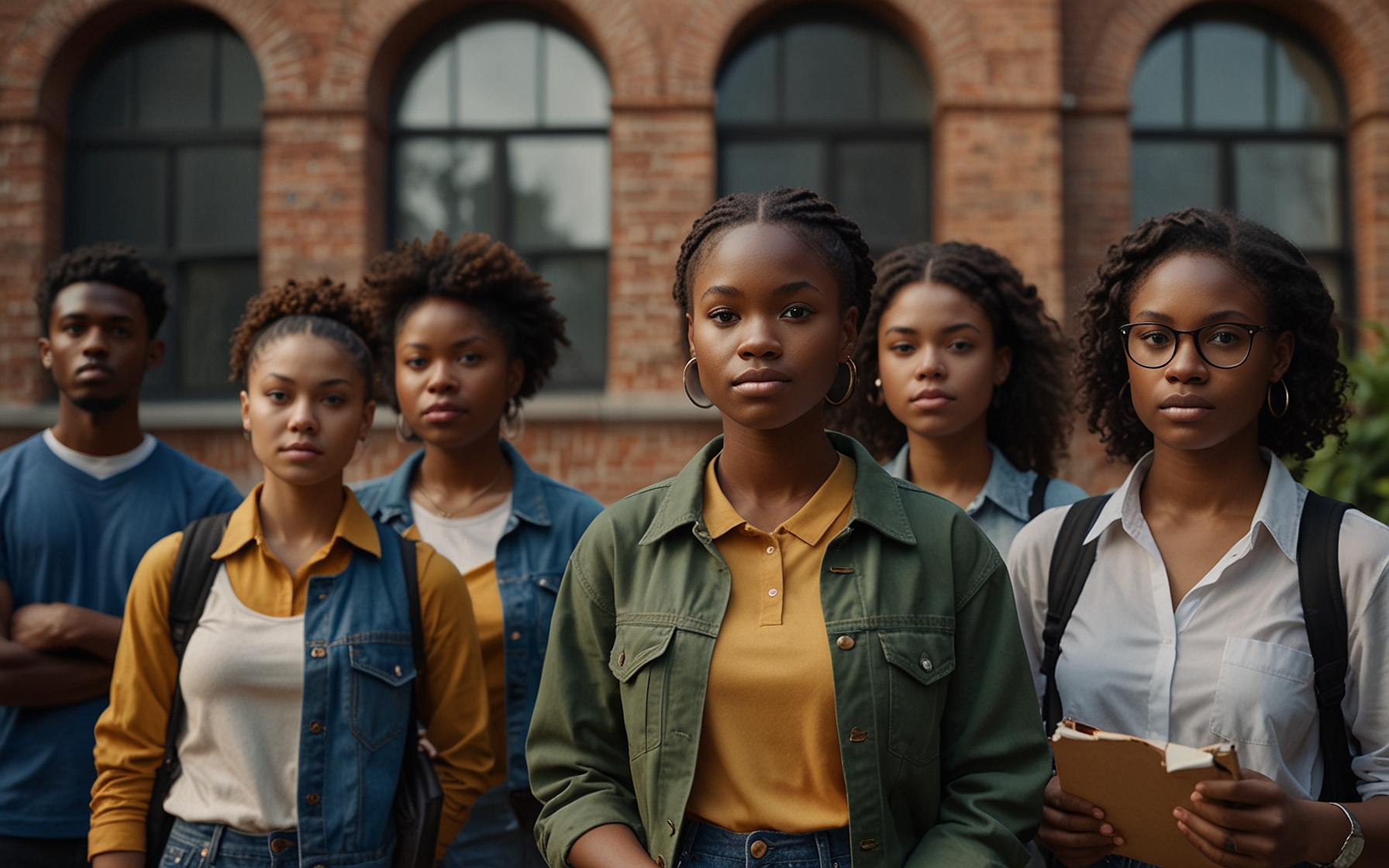
Across the African diaspora and African American communities, the center of gravity is moving from youth programs to youth power. Young people are not just attending workshops, they are leading campaigns, co designing solutions, and shaping policy in real time. Based on current pathways across nonprofit advocacy, education, and youth empowerment, this guide pulls together concrete ways for high school, college, and young adult leaders to act now and grow as changemakers in community.
From Programs to Power
Black focused nonprofits are shifting from serving youth to sharing power with youth. The Black Youth Leadership Project in California positions young people as social justice fighters who push for equity in K-12 systems. The NAACP NextGen Leadership Program is an incubator for young adults who want to be the boots on the ground in local branches and issue campaigns. The California Legislative Black Caucus runs a Youth Leadership Program and African American Leaders for Tomorrow that build policy literacy and civic courage with mock hearings and government exposure. The through line is clear, youth leadership is tied to racial justice, civic engagement, and systems change, not just personal growth.
What to look for when you sign up
- Real decision making roles like advocacy campaigns, policy workgroups, or youth advisory boards
- Youth co governance inside organizations with seats on boards, paid roles, and youth organizers
- Cohorts and peer networks that continue after the training ends
Use advocacy focused programs to grow fast
- Build policy literacy by learning how local laws and school board decisions actually move
- Practice testifying at hearings, organizing campaigns, and engaging local media
- Join cross regional networks of Black student and youth advocates who share resources and tactics
Campus Pathways That Work
On campuses, culturally grounded leadership is opening real pipelines for Black students. The Black Students Lead Leadership Conference gathers a national community of Black student leaders to build applied skills for change on campus. The Umoja Community Education Foundation hosts a Student Leadership Summit that is historically and culturally rooted, so learning sits in identity and community. The NCBAA Carolyn Grubbs Williams Leadership Development Institute prepares African Americans for mid level and executive roles in community colleges, linking student leadership to institutional power. Black Student Success Week in California lifts up real time strategies for persistence and leadership that can be used right away.
Make your campus experience count
- Choose trainings that address racism, campus climate, and policy, not only generic leadership skills
- Prioritize events that give access to administrators and decision makers through advisory meetings and roundtables
- After a conference, propose one initiative such as a Black Student Success Taskforce or mental health peer ambassadors
K-12 Pipelines That Start Early
Early pipelines matter because skills and confidence compound over time. The African American Youth Leadership Conference in Colorado runs a week long Leadership Institute that centers civic responsibility, community engagement, education readiness, and leadership in a global market. A dedicated Parent Workshop trains caregivers and educators to better support youth while navigating school systems and opportunity pathways. Regional African American Student Leadership Conferences bring students and educators together for history, college prep, and leadership development.
Programs are naming systemic issues head on to build critical consciousness. Central Valley Scholars runs a two week Black Youth Empowerment program for high school and GED students in California’s San Joaquin Valley that introduces microaggressions, intersectionality, decolonization, and colorism as foundations for empowerment. In tech, The Hidden Genius Project trains and mentors Black male youth in technology creation, entrepreneurship, and leadership so graduates become tech savvy community problem solvers.
How schools and districts can apply these models
- Adopt culturally responsive leadership curricula that explicitly address racism, identity, and systemic inequity
- Integrate civic and policy simulations like mock legislative hearings, debates, and school board role plays in social studies
- Partner with community based organizations such as BYLP, Hidden Genius Project, and Umoja to co brand leadership academies
Civic Life, Sectors, and Diaspora Links
Youth leadership is rising in civic life and across specific fields. Black Students of California United equips African American youth with tools to engage in civic life today through culturally responsive leadership training and organizing supports. Running Start’s HBCU Women’s Leadership Summit develops political and advocacy leadership among Black college women who want to pursue office or drive community impact. CLBC programs and BYLP both tie leadership to engagement with state and local government, which helps young people see how to move levers of change now.
The diaspora lens expands what is possible. The Mandela Washington Fellowship for Young African Leaders brings leaders from Sub Saharan Africa to the United States for academic and leadership training across civic leadership, public management, and business. That opens up space for African American students and nonprofits to collaborate with Fellows through joint campaigns, virtual exchanges, and mentorship across the Atlantic.
Action steps you can take this semester
- Start or strengthen a Black Student Union or African Students Association and connect it with BSCU or NAACP networks
- Launch a youth led civic engagement project such as voter registration drives or a campus policy change campaign
- Run for student government and center Black student needs, then serve on local youth councils or advisory boards
Your 90 Day Leadership Roadmap
You dont have to wait. Build a simple roadmap that evolves as you grow, from high school to young professional. In high school or early college, attend AAYLC or regional African American Student Leadership Conferences if available, join Black Youth Empowerment or BYLP where possible, and take roles in your BSU or local youth councils. In college, participate in Umoja programs, Black Students Lead, and campus based Black leadership initiatives, then pursue sector tracks such as journalism through NABJ SEED or tech through Hidden Genius. As a young professional, join NAACP NextGen, apply to the NCBAA Leadership Development Institute if you are in higher ed, or if you are based in Africa consider the Mandela Washington Fellowship.
Turn inspiration into community impact with a 90 day sprint
- Pick one concrete issue such as school climate, financial aid access, food insecurity, or mental health services
- Form a small team with peers from a cohort or conference you attended
- Research the root causes and map the decision makers you must engage
- Meet at least one decision maker and share a practical solution
- Organize a public event, petition, or awareness campaign and track progress
Document your work with photos, short reports, and social media updates so you build a leadership portfolio that supports scholarships, internships, and job applications. This sounds simple, but it really works when you do it consistently and with care.
Sustain momentum with alumni and peers. Stay active in program cohorts like Black Students Lead, Umoja, BYLP, or NAACP NextGen. Co create mini meetups, share templates, and swap contacts. Ask for micro grants or seed funding for youth led projects that emerge from trainings, and invite alumni to coach your team on the next step.
Center intersectionality and well being so leadership does not reproduce harm. Programs that teach about microaggressions and overlapping identities signal a needed shift toward trauma informed, justice centered leadership education. Pair development with mental health supports, affinity spaces, and training for adult allies, including parents and teachers, so the adults dont re create the same dynamics youth are trying to transform.
#youthleadership #empowerment #community #diaspora #culture