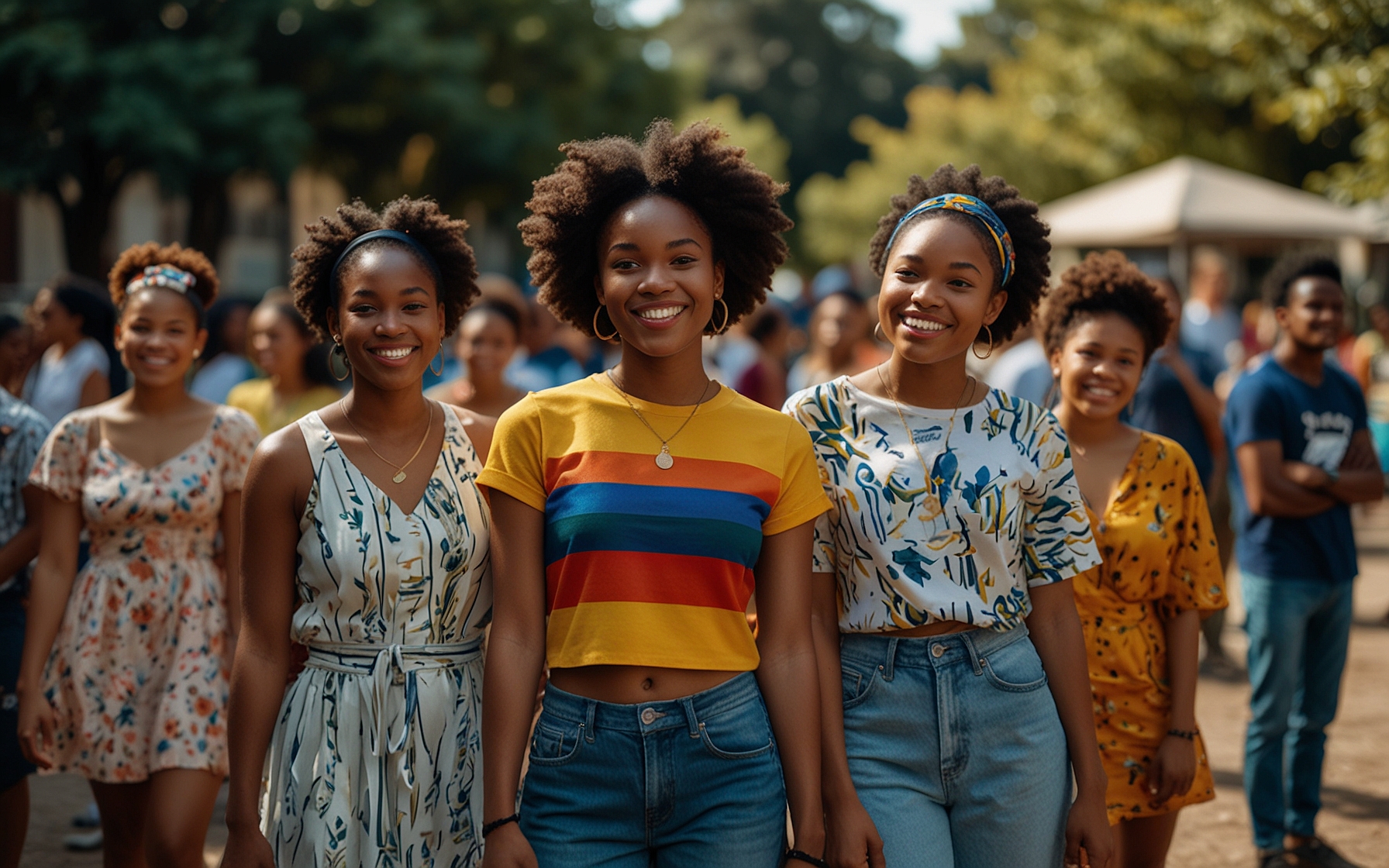
Honoring history in the African diaspora is not only about memory. It is about how we build together right now with culture, remittances, skills, and networks that cross oceans. Today youth and young adults, including African American students, are stepping into mentorship, legacy projects, and civic participation that tie the past to the futures we want. When we treat community building as a living legacy, our stories fuel STEM labs, local jobs, cultural programs, and policy changes that make belonging feel real and not distant. This work is personal and collective at the same time. It says our grandparents sacrifices still breathe in the choices we make, the funds we send, and the communities we reconstruct after crisis. It also says dont leave anyone behind, because the diaspora are a family that stretches far and still moves as one.
Roots that power our future
African nations are increasingly treating the diaspora as a vital 32nd region for development, channeling billions in remittances toward infrastructure, education, and youth empowerment. Ghana shows a clear path by integrating about 4.7 billion dollars in remittances into national plans that support STEM labs, digital skills, and community infrastructure tied to entrepreneurship. This marks a real shift from only consumption to legacy building. Financial innovations like diaspora bonds and green funds help families turn support into shared assets that last. Tunisia and Comoros are building diaspora investment funds that lower costs and encourage brain circulation so experts can return for short stints and transfer skills. Côte d’Ivoire is mapping diaspora expertise in technology and aviation to spark innovation hubs where young adults learn, build, and stay connected to heritage. Key players include the UN Economic Commission for Africa, Ghana’s National Development Planning Commission, and the International Organization for Migration.
Civic engagement as living history
Community building grows stronger when civic engagement turns history into action. The African Union’s Diaspora Division is expanding participation through accredited forums tied to ECOSOCC and linkages to the Pan African Parliament so diaspora organizations can help shape policy. On the ground, summits are creating practical bridges. The Diaspora Summit 2025 in Accra is offering free visas to deepen belonging and spark mentorship, while giving young people a door into real contributions that support national growth. In Washington, the African Diaspora Investment Symposium 2025 brings together participants from more than one hundred countries to advance MOUs, trade, and health advocacy that connect U.S. African American youth with opportunities on the continent. There is also a push to formalize recognition through the African Diaspora Heritage Month Act in the United States, meant to lift civic awareness for students and young adults. UNESCO Africa Week and the AU 2025 Year of Reparations theme tie historical justice to community led development with care.
Rebuilding together, honoring legacy
Across the diaspora, community reconstruction is answering crises with resilience and memory. Remittances have shown strength with growth at 16.4 percent, and more of that money is going into job creation, infrastructure, and skills that honor migratory histories. Ghana’s decentralized planning across 261 districts aligns diaspora investments with local poverty reduction, showing that national strategy can meet hometown needs. Platforms like the African Diaspora Investment Symposium spotlight local impact makers and the promise of a continental market where the AfCFTA can help lift millions from poverty. Historical awareness is built into this work. Investment in research and development is still low in Africa at about 0.45 percent of GDP compared to a 1.7 percent global average, so mentoring students into R and D is both a pride project and a development need. The Presidential Advisory Council on African Diaspora Engagement supports collaborations for socioeconomic well being, while dialogues on Haiti’s crisis share governance lessons that echo far beyond one nation.
Skills in motion, mentorship in action
Brain circulation turns heritage into hands on learning. When diaspora professionals rotate back for short returns, they mentor students, co create curricula, and seed labs that outlast a visit. Côte d’Ivoire’s skills mapping shows how aviation, technology, and other sectors can welcome youth into real projects that carry history into modern innovation. Mentorship circles are growing in areas like cybersecurity and financial inclusion, giving young adults a place to practice leadership while solving problems that matter at home. Even micro remittances, sent through lower fee tools, can equip a STEM classroom in Ghana or a makerspace in Tunisia. Digital skill programs connect with entrepreneurship support so students do not just learn to code, they build teams and serve communities. This ideas works best when African American students and diaspora youth pair up across continents to run legacy workshops, document family histories, and share finds in clubs, faith groups, and neighborhood hubs.
Your next steps
If you are a student, young professional, educator, or organizer who wants to honor history through community building, you can start where you are and scale with partners. The path is practical, collaborative, and very doable. Pick one step this month, then add another next month. You dont need permission to begin, you only need a plan and people beside you.
- Participate in summits and forums. Register for gatherings in Accra or Washington, D.C. to grow your network, seek mentorship, and explore MOUs that turn ideas into projects. Check free visa options early and prepare a one page legacy pitch.
- Channel personal remittances for impact. Try diaspora bonds or community funds and target investments that build STEM and digital skills. Start small if needed and prioritize transparent fees so more of your money reaches the classroom or lab.
- Engage AU networks. If you lead a youth group or campus club, pursue accreditation pathways to join AU forums. Map your skills and offer short term brain circulation returns that support history projects with measurable outcomes.
- Advocate locally with purpose. Host a campus or community talk on the Year of Reparations and why it ties to development. Track the Heritage Month effort and share nonpartisan resources that help peers understand the civic stakes.
- Build mentorship circles. Use insights from diaspora investment convenings to launch peer led programs in cybersecurity or financial inclusion. Recruit alumni and professionals, set monthly goals, and publish open toolkits others can reuse.
- Document and share legacy. Pair African diaspora youth with African American students to co create oral histories, photo archives, and community newsletters. Archive the work in school libraries and neighborhood centers so it lives on.
Community building in the diaspora works because it is grounded in love and in practical design. Remittances become labs and roads. Civic engagement becomes accreditation and policy seats. Heritage becomes mentorship that opens doors for the next student and the one after that. When we speak of honoring history, we are not stuck in the past. We are writing the future in the way we plan districts, teach digital skills, invest in green funds, and celebrate culture that refuses to fade. If you are reading this and wondering if your effort matters, it does. Start small, stay consistent, and keep the circle open. Thats how legacy feels like home and how empowerment grows.
#community #diaspora #legacy #empowerment #history