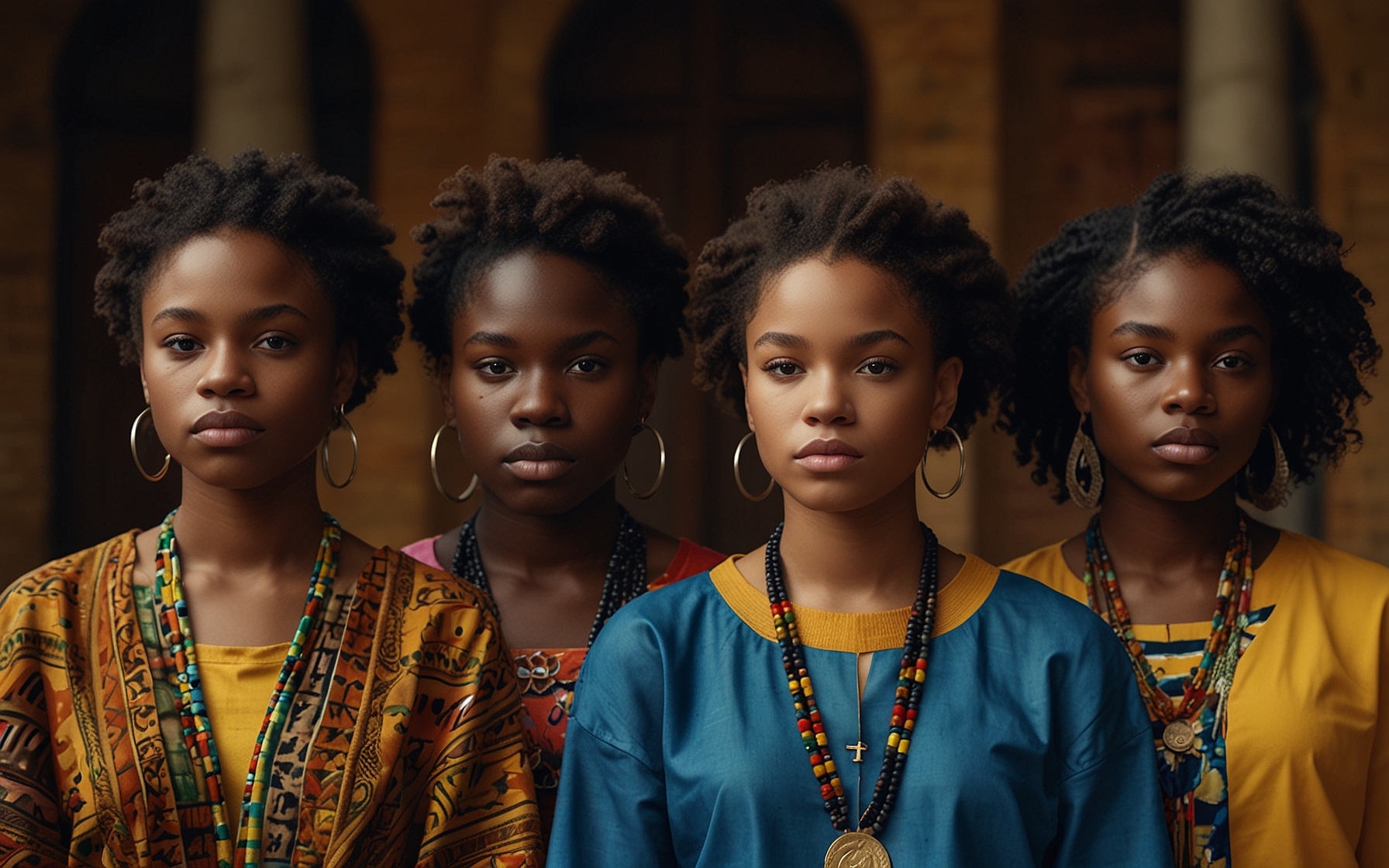
Celebrating African heritage while unlocking youth potential is more than a theme. It is a daily practice in classrooms, families, and neigborhoods. When young people see stories of strength, creativity, and perseverance, they start to imagine bigger lives. This simple truth sits at the center of current developments across education and community spaces that lift African heritage and youth success. Even small shifts ripple thru a school or a community center, giving students a sense of place and purpose. The goal is not decoration. The goal is belonging, confidence, and pathways that help youth act on their talents today and keep building for tomorrow.
Why Heritage Fuels Potential
Heritage is a spark. It tells students that who they are is already powerful and already enough. When programs acknowledge African roots and the African diaspora experience, learning feels tied to real life. You can see the change when students explore identity and community and name the skills they carry from home. Celebrating culture is not a detour from academics. It is a pathway that makes lessons more relevant and more motivating. It also affirms memory and pride and leadership. This is where potential begins to open up, because effort and curiosity stick when they are anchored in meaning that students recognize. Belonging becomes visible in small routines that honor names and stories. It feels practical because it starts from who students already are.
Programs Making Waves
Across schools and nonprofits the momentum is steady. Initiatives like the TDSB African Heritage Program and the Black Star Project are widely noted within this landscape. They show how communities and schools can connect to celebrate culture and support youth growth. In many places classrooms weave in stories of the African diaspora. Community events gather families to honor traditions and recent achievements. Educators and youth workers share strategies and learn from one another. The result is a growing web of support that honors culture while opening doors for young people who want to lead, create, and serve in their own ways.
What stands out is the tight link between heritage and empowerment. Many efforts now pair celebration with mentorship and leadership chances. Students benefit when they are guided by caring adults, when they see purpose driven lives, and when they get chances to practice real responsibility. These programs also remind youth that voice matters alot. When heritage is visible, many students find new motivation to contribute. None of this is fancy. It is deeply human and very practical. When the room feels welcoming and dignified, participation rises and young people begin to press forward with steady steps. The message is simple and strong, you matter and we see you.
Leadership and Mentorship
Youth development organizations are a major part of this ecosystem. The National Urban League, 100 Black Men of America, YMCA, and Common Ground Foundation are often named in this work. They help students grow, learn, and step into leadership roles with confidence. Emerging trends in mentorship, community empowerment, and cultural heritage celebration continue to guide practice. These trends point to the power of relationships and the strength of community voice. They also show that identity is not an add on. It shapes a meaningful path forward and makes goals feel reachable because they are rooted in truth.
Leadership development programs add another essential layer. The African American Leadership Academy, AAYLC Leadership Institute, and NAACP ACT-SO are part of this space. They reflect a clear commitment to nurturing talent and building confidence while lifting academic and creative pursuits. By focusing on leadership pathways, these programs invite youth to see themselves as problem solvers and change makers. That identity shift matters alot. Once a young person begins to beleive they can lead, they start to choose actions that match that belief. They also learn to listen and to build teams, which multiplies progress over time. Practice builds courage, and courage fuels the next brave choice.
Practical Moves for Schools and Nonprofits
Practical moves for students, educators, and nonprofit professionals begin with simple steps. Schools can map local heritage initiatives and invite collaboration with programs such as the TDSB African Heritage Program or the Black Star Project where that fit makes sense. Youth organizations can align activities with current trends in mentorship, community empowerment, and cultural heritage celebration. These moves connect resources, reduce duplication, and make the work feel coherent to young people who are navigating many spaces at once. Clear routines help. So do warm welcomes, consistent expectations, and open doors for students to ask questions and try again.
Educators can highlight heritage focused learning moments throughout the year, not only in a single month. Small touchpoints build momentum. Nonprofit professionals can support mentorship networks that draw on community strengths and lift up youth voice. When students share what matters to them, programming becomes more responsive and more effective. It is also helpful to create spaces where families contribute perspective on culture and learning, since so much wisdom lives at home and in neigborhoods. Students can lean in by asking for mentorship, joining leadership cohorts, and bringing their ideas to the table even when they feel unsure. Over time those habits turn into leadership that sticks.
Looking Ahead
The future of celebrating African heritage and youth potential looks bright. Mentorship remains a cornerstone. Community empowerment keeps shaping the agenda. Cultural heritage celebration continues to inform how we teach and how we design programs. As these threads weave together, they form a fabric of support that young people can trust. That trust encourages students to take risks, to lead, and to build futures that reflect both their roots and their dreams. It also builds resilience in the face of setbacks, because students know they are not alone and that history is a source of courage.
Key players and best practices point toward collaboration, continuity, and care. When schools and nonprofits connect with the TDSB African Heritage Program and the Black Star Project, when they partner with youth development organizations like the National Urban League, 100 Black Men of America, YMCA, and Common Ground Foundation, and when they uplift leadership opportunities such as the African American Leadership Academy, AAYLC Leadership Institute, and NAACP ACT-SO, momentum grows. The work ahead asks us to keep culture at the center and to keep inviting youth voice. If we stay with it, we wont just talk about empowerment. We will see it everyday. That is the promise that keeps families and partners moving forward.
#Empowerment #Heritage #Youth #Community #Inclusion