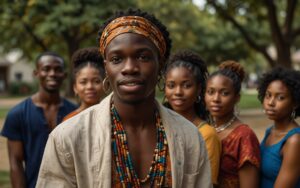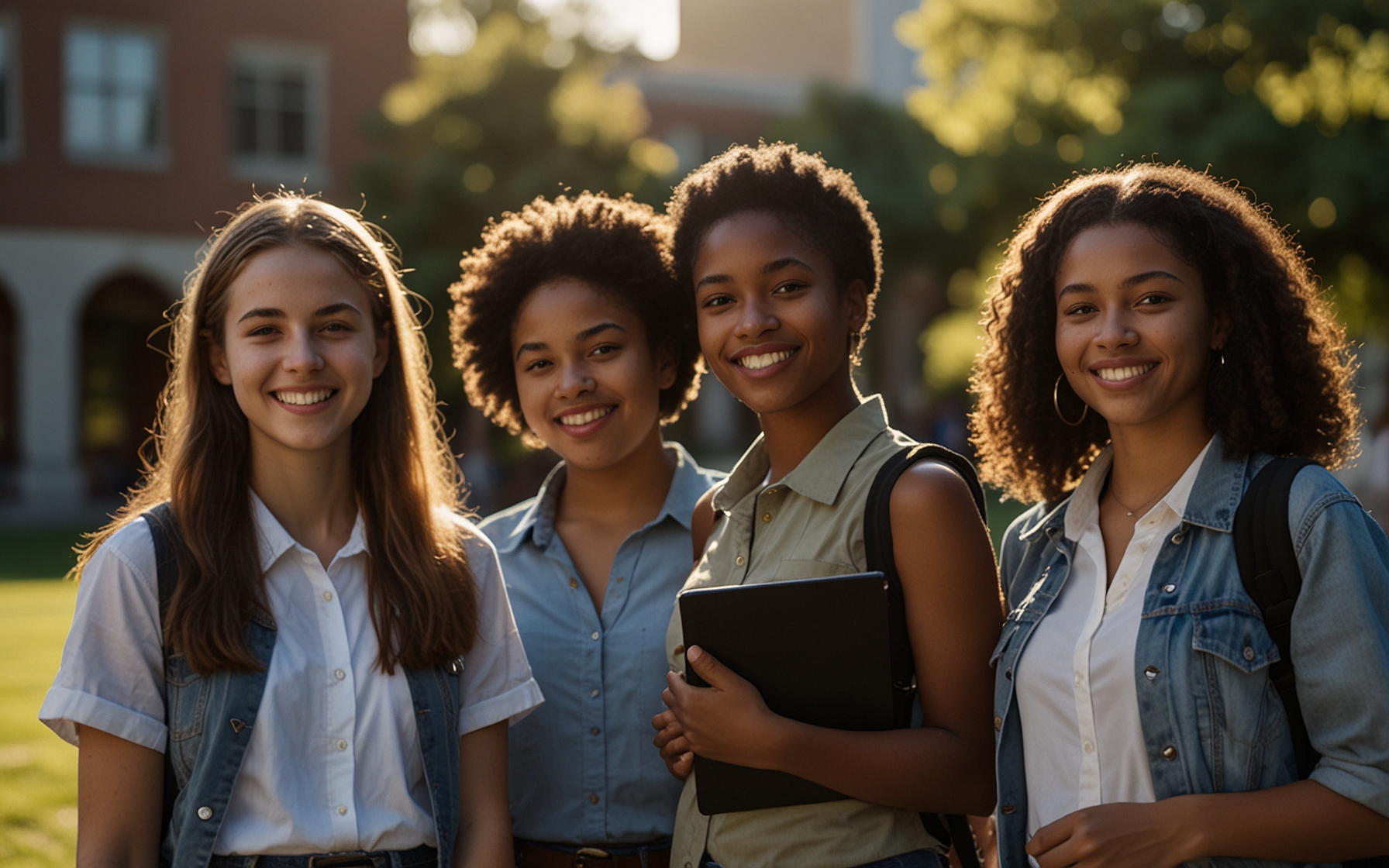
Across classrooms and communties right now, students are stepping forward with fresh energy and purpose. The focus is not only on grades or test scores. It is on real student empowerment and voice that lead to action. In 2026, momentum is growing for African American and African diaspora youth who want to organize, build, and lead. You can feel this shift in the programs that exist, the themes they center, and the way students share thier own stories. Empowering Students is not a slogan. It lives in daily choices, clubs, summits, and shared spaces where young people practice leadership and see quick wins that build confidence.
Why Voices Matter
When student voice is taken seriously, everything changes for the better. Young people bring lived experience that grounds plans in what actually works. They ask sharper questions. They build bridges to peers who might not be reached otherwise. They often lead in ways adults cant because they see problems up close and want straight answers. Empowerment happens when students shape questions, sit at decision tables, and speak from thier own truth. It grows confidence, purpose, and a sense of belonging that lasts beyond school walls. This is why civc engagement is not an extra. Youth organizing is not a side activity. These are core parts of leadership for African American and African diaspora students who want community, clarity, and change.
Voice also builds trust. When students lead, more students show up. They try new challenges and keep going when it gets hard. This kind of engagement builds social capital and agency. It also teaches how to listen. Empowerment is not only about a mic. It is about shared work, responsibility, and habits that lift others around you. That logic now guides programs and themes taking shape in 2026.
Programs Making Moves
You can see the change in 2026 programs that put students at the center. One example is the Delaware Student EmPowerment Summit on March 21, 2026. A gathering focused on youth voice does more than inspire. It offers space to share practice, find mentors, and plan next steps. A single summit can be a spark when it aligns skills with purpose and community. Students leave with contacts, a simple plan, and the push to try it this week, not someday.
Leadership development is also taking root with clear intent. The African American Leadership Academy is part of a broader push to cultivate leaders who reflect thier communities and values. Leadership Africa expands that lens with connections across the diaspora. The Black Student Leadership Network supports young people who want to grow, serve, and lead together. These efforts are not clones. They address different needs while lifting up shared ideas about excellence, service, and collective responsibility. The thread is simple. Students learn faster when they learn by doing. They become leaders by practicing leadership with real stakes and real support. That is empowerment in action, not just in name.
Pathways And Scholarships
Access matters as much as inspiration. Scholarship opportunities and clear pathways can change the arc of a life. They remove barriers and open doors to networks that are hard to reach alone. For many families and communties, this is where hope becomes a plan. Pathways help students see the steps between where they are and where they want to be. They also show that excellence is not only about one test or one school. It is about sustained growth with guidance along the way. When schools and partners highlight scholarships early, more students apply. When they break down steps in plain language, more students stay on track. None of this is magic. It is steady work that makes opportunity visible and reachable.
HBCU pathways matter here too. For African American and African diaspora students, these routes carry history, culture, and care. They affirm identity while pushing for high achievement. Students find mentors, peers, and traditions that build confidence. Scholarships aligned to these pathways do more than fund classes. They signal that students belong and that thier goals deserve investment. That message lands deeply and keeps students moving when challenges pop up. Empowering students means centering clarity, support, and follow through. It means telling students that the future is not a guess. It is a plan they can shape and own.
Skills That Stick
Key themes are shaping what effective empowerment looks like in 2026. Financial literacy comes first for many students because money choices touch every dream. Learning how to budget, save, invest, and avoid predatory traps gives young people freedom to make better moves. It also builds confidence at home and in community life. When students can read a pay stub and set a simple plan, they stand taller. That confidence spills into other goals and helps leaders stay calm when stuff goes sideways.
- Civic engagement connects learning to action in neighborhoods and cities
- Entrepreneurship lets students test ideas and create value with peers
- Global leadership widens horizons across cultures in the diaspora
These themes are not separate lanes. They stack. A student who knows how to manage money will also be a stronger organizer. A student who builds a venture learns how to pitch, plan, and persist. A student who practices global leadership sees patterns that help at home too. Culturally responsive education amplifies this growth. When teaching honors identity and experience, students lean in. They track content with more focus because it reflects who they are. That shift unlocks effort and pride. It also helps teachers see where to stretch and where to support so learning actually sticks.
Trends To Watch
There are clear trends to watch as the year unfolds. Culturally responsive education is moving from idea to everyday practice. Schools and partners are adapting how they teach, mentor, and assess so learning fits student identity and community context. Youth organizing is gaining structure and reach. Students are coordinating efforts, setting goals, and measuring progress the same way any strong team would. These trends are not quick fads. They grow from long term needs and the practical desire to make school and community life work better for students. The new generation is also lifting up collaboration across programs. A summit can connect to a leadership academy. A network can point students toward scholarships and pathways. When these pieces align, students see a full map and can step from awareness to action to achievement.
That alignment matters because many students juggle jobs, family care, and school obligations. Clear, connected supports reduce friction and free up energy for what counts most. As 2026 moves forward, expect more students to claim space in conversations about policy, curriculum, and campus climate. Expect more partnerships across regions that reflect the wider African diaspora. Expect steady growth in financial literacy, civic engagement, entrepreneurship, and global leadership as core skills. None of this will be perfect. There will be stops and starts, and sometimes plans wont land the first try. But the direction is strong. Empowering students is anchored in practice, voice, and community. That is why it lasts and why it keeps pulling in new leaders every season.
When we say Voices of the New Generation, we mean students who are building futures with both courage and care. They are shaping a movement that blends leadership with belonging. They are showing that access paired with skill building can change outcomes. The work in 2026 carries programs, scholarships, and themes that reinforce each other. It carries the promise that every student can grow, lead, and contribute. If we continue to listen, invest, and align, students will do the rest. They already are, and that is the best sign of all.
#StudentLeaders #Empowerment #Youth #Diaspora #Innovation