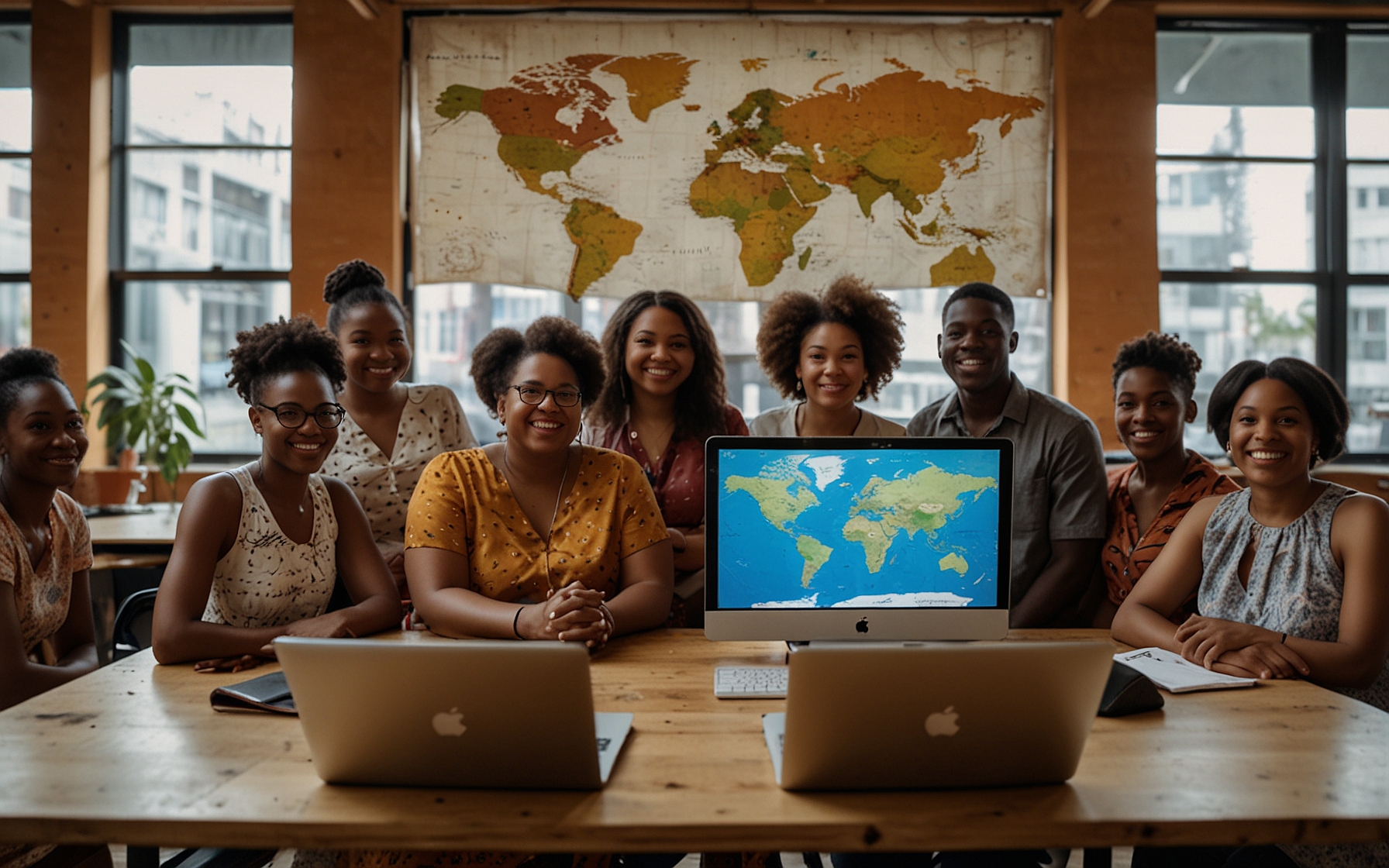
Across cities and campuses, from New York to Nairobi, a unifying wave is bringing together the global African diaspora. Cross border collaboration is no longer a buzzword. It blends cultural pride, mentorship, entrepreneurship training, investment, and community voice into daily practice. When African American students and young adults connect with peers, mentors, and investors across continents, ideas move faster and businesses answer real needs at home and abroad. Opportunity grows, trust deepens, and stories get told in our own words. This is how communities strengthen while a new generation learns skills to compete and win. The momentum is practical, with programs, accelerators, and networks you can join now. If you have been waiting for a path to plug in, you dont have to wait anymore.
Why cross-border collaboration works
Collaboration across borders works because it aligns shared purpose with real resources. Diaspora leaders and platforms are shaping unified narratives that reduce stereotypes and invite policy change. Pooling mentorship, training, and capital speeds skills transfer and job creation. It also keeps art, music, and heritage alive so people stay connected even when far apart. Economic empowerment and cultural preservation move together, not in conflict.
Transnational networking lowers the barrier to the first conversation and the first deal. It builds trust based systems where knowledge and opportunity flow both ways. That trust becomes social capital, often the missing piece when you try to start a venture or enter a new market. With the right ecosystem you wont be alone, and you wont have to figure it all out from scratch.
Projects making it real
Several collaborative projects show how diaspora energy turns into tangible results while uniting the Global African Diaspora. Each one connects narrative, skills, and capital with on the ground needs so progress is both authentic and repeatable.
- WeDiasporan, founded by Obehi Ewanfoh, unites communities through cultural heritage and socio economic initiatives. Its Diaspora Memorial & Tourism Exchange links memory, travel, and enterprise for shared empowerment.
- African Diaspora Investment Symposium marked its tenth year as ADIS25 with the theme Beyond Remittances, rallying investors, entreprenuers, and policymakers into cross border partnerships that can scale.
- Informal cross border trade networks tied to AfCFTA rely on trust based systems that support livelihoods, especially for women and youth, and connect diaspora know how to local markets.
Each project evolves by matching diaspora resources to local priorities. The goal is scalable models for resilience, not one off wins. When platforms and events convene diverse actors, they make it easier to find mentors, test ideas, and unlock funding. That shift moves communities from short term aid toward longer term development and business growth.
Networks that lift people
Transnational networking is the backbone of this movement. The African Diaspora Network builds ecosystems that connect U.S. based diaspora founders with Africa and with investors in places like Silicon Valley, which helps partnerships grow over years. Ashoka’s diaspora networks widen the circle by linking changemakers and social entrepreneurs working on community development. This mix of business and social innovation gives founders options, whether they are pitching a startup or launching a cultural initiative.
- Programs like BE NYC Mentors and the M/WBE Mentors pair Black entrepreneurs and minority owned businesses with experienced guides for practical advice on contracting, compliance, and relationship building.
- Mentorship models remove guesswork and fear, shrinking the distance between a student with an idea and a founder with a plan. Success stories travel fast and inspire the next cohort to try.
Networking done well amplifies advocacy. It creates a collective voice that can influence policy and institutional behavior. It also builds confidence. When you can message a mentor across the ocean and recieve a quick reply, it changes how you see your own potential. People dont just get jobs or funding. They gain a supportive circle that keeps them moving when the journey gets tough.
Community and business impact
In community development, cross border collaboration fuels resource sharing for education, culture, and sustainability. Mentorship networks open doors to internships and apprenticeships, while platforms like WeDiasporan use storytelling and heritage to reconnect generations. Informal cross border trade strengthens social cohesion through interdependence that is both practical and cultural. In business, the shift beyond remittances is building new routes to capital and markets. The ABLE 2025 accelerator fully funds training for a cohort of about twenty to twenty five diaspora entrepreneurs, adds mentorship, and offers a chance to pitch in Silicon Valley without giving up equity, with dozens of founders trained since 2021. Lionesses of Africa runs twelve week accelerators with global mentoring for women founders and partners with the Cherie Blair Foundation to back high growth ventures. Mentorship for small diaspora businesses helps owners navigate cash flow, contracts, and scale. Trends point to more impact driven accelerators, more digital inclusion in trade, and more narrative led partnerships that keep collaboration grounded in community reality.
How to get involved now
If you are ready to plug in, start with simple moves that build momentum. You dont need a company or a big resume. Curiosity, discipline, and a willingness to share your story go a long way.
- Join a diaspora platform and introduce yourself. WeDiasporan and the African Diaspora Network welcome new voices. Share your goals, ask for advice, and offer help where you can.
- Apply to a proven accelerator. If you are an African American student or young adult with a venture idea, look at ABLE 2025. The training is fully funded and you can pitch without giving up equity.
- Seek mentorship with intention. BE NYC Mentors and M/WBE programs connect you with people who have already walked the path. Come prepared with questions and follow up on feedback.
- Invest your time and skills in collective projects. Volunteer on an ADIS initiative or contribute to a community heritage effort like the Diaspora Memorial & Tourism Exchange. Small, consistent actions add up.
- Leverage informal trade networks with care. If you are exploring AfCFTA opportunities, start with trusted contacts, keep records, use digital tools, and prioritize fair dealing for women and youth led ventures.
Best practices cut across all these steps. Pool resources with peers. Build trust before you need it. Share stories that reflect lived experience, not just pitch decks. And keep mentorship central at the earliest stages when guidance can save months of trial and error. The key players are active right now, from Obehi Ewanfoh and WeDiasporan to the African Diaspora Network, Lionesses of Africa, Ashoka’s networks, and New York City’s mentorship efforts. The door is open. Step through, bring someone with you, and keep the circle growing. There is alot more to do, and together we can do it faster and better.
#collaboration #global #diaspora #empowerment #community