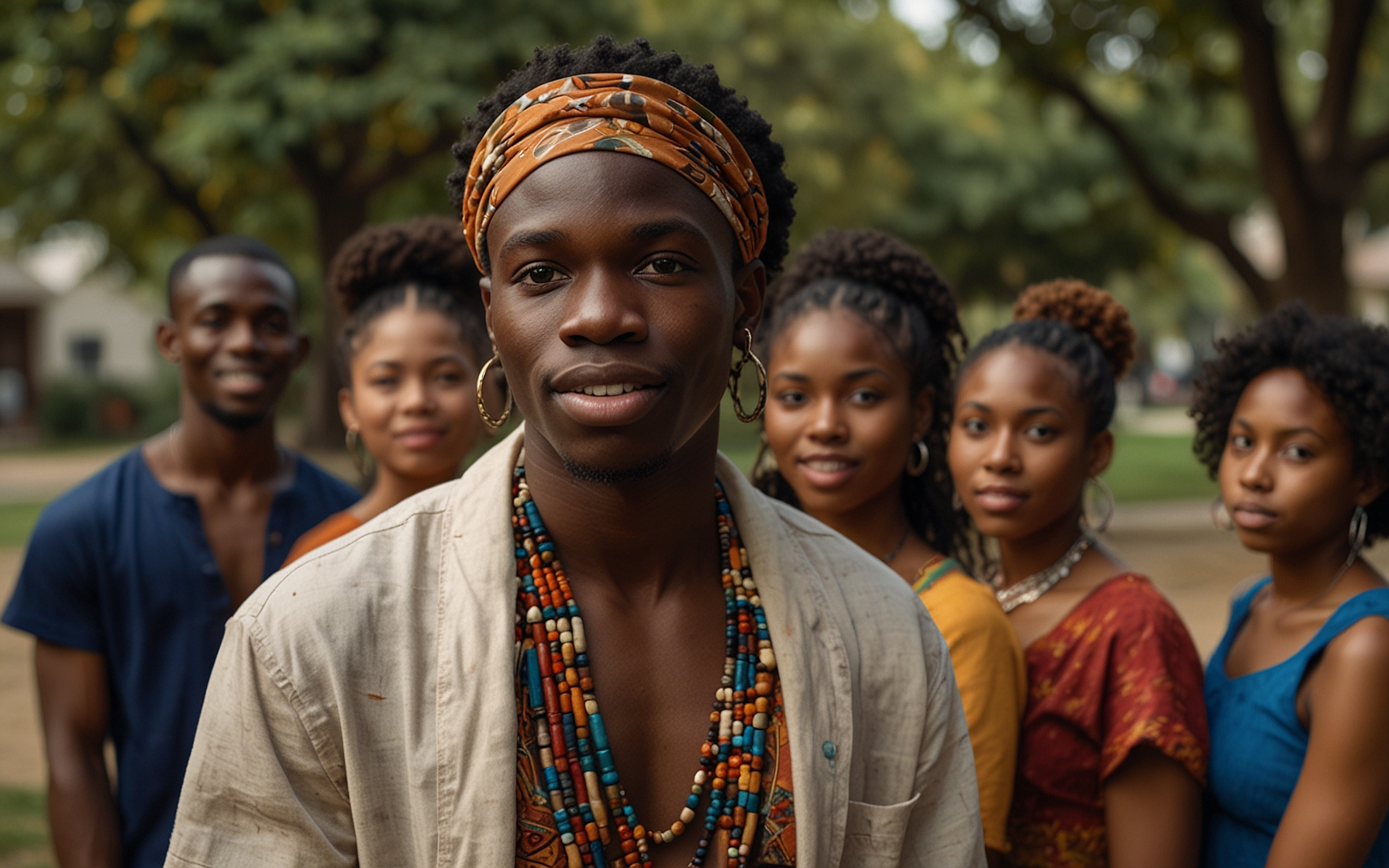
Embracing our heritage is not a side note anymore. Across campuses and community spaces, diaspora culture is moving from the margins into the center of cultural education, youth engagement, and community development. For African diaspora communities and African American students especially, that shift changes how we learn, how we build identity, and how we act with purpose. Heritage, culture, and mentorship work together as knowledge that drives global understanding, critical reflection, and real social responsibility. It is not only about remembering the past. It is about using it to shape a future with confidence and joy, even when the road gets messy or hard.
Heritage At The Center
Universities are institutionalizing African and African Diaspora Studies in ways that make diaspora culture a foundation rather than a footnote. At St. Mary’s College of Maryland, UNC Greensboro, Boston College, and Columbia University, students explore history, literature, sociology, art, politics, and culture through one interdisciplinary lens. This approach frames diaspora knowledge as a path to global understanding and social responsibility that students can carry into life after graduation.
St. Mary’s leans into a simple idea learn from the past to build for the future. That comes alive in coursework on colonialism, migration, resistance, creativity, and the long standing agency of African descended peoples worldwide. It is not just theory either. St. Mary’s reports that 83 percent of AADS students engage in experiential or community based learning, from study abroad in places like Morocco or South Africa to internships with social justice and cultural heritage groups. Colorado State’s Black African American Cultural Center adds an African Diasporic Education model that names intersectionality clearly and promises a transformative experience. Students learn to see the ties of race, gender, nationality, and community and they dont just study the diaspora, they live it with intention.
- Take one AADS course or minor and use it to ground your learning in rigorous, interdisciplinary study.
- Choose programs with community based learning or internships so heritage connects to practice and leadership.
Campus Ecosystems That Lift Us
Campus communities can make or break belonging. UC Davis offers a strong model through ACE African Diaspora Cultivating Education. Launched to respond to declining numbers of African diaspora students, ACE creates a supportive environment that links academic success with cultural awareness. Programming, retreats, and conferences validate experience and co design community. ACE also highlights a rich ecosystem of organizations, from the Black Student Union and Nigerian Student Association to Faces of African Muslims and the Eritrean Ethiopian Somali Sudanese Association. At UNC Greensboro, AADS connects youth with public art and outreach, including murals that honor the first Black students and new student made pieces. Those walls speak, turning inter generational stories into pride and belonging. At Colorado State’s BAACC, peer mentorship and cultural programming help students navigate predominantly white institutions while staying grounded in heritage.
- Join ACE, BAACC, AADS, or your Black cultural center for mentorship, peer networks, and leadership roles.
- Organize nights centered on migration stories, language, foodways, and music to deepen belonging.
Arts, Voice, And Youth Power
Creative arts make diaspora culture move. At UNC Greensboro, the Mellon Multivocal Humanities Artist in Residence, Josephus Thompson III, uses poetry as a catalyst for literacy, leadership, and service. His Poetry Field Trip brings K–12 students into spoken word, while the Poetry Project Institute equips teachers to integrate Black oral traditions and hip hop into classrooms. Through The Poetry Café, a national broadcast and touring show, Josephus amplifies global Black artistic voices so local youth hear themselves inside a larger creative network across the diaspora. UNCG student murals add another layer, turning campus walls into living archives. When art, story, and place come together like this, culture isnt supplemental. It is the core of how young people learn, lead, and serve.
- Host open mics or art labs with local poets and creators in partnership with AADS and arts programs.
- Use poetry and performance to connect literacy with leadership so students build skills and pride at the same time.
Global Links And Homecoming
The diaspora is global, and our connections are growing. UNESCO’s Africa Week celebrates the cultural, scientific, and artistic richness of Africa and its diaspora, and the 2025 theme centers heritage homecoming. It brings together African states and diaspora communities through exhibitions, performances, and policy conversations. The message is powerful. Diaspora communities are not only descendants or observers. We are partners in safeguarding and innovating African cultural heritage. Diaspora led efforts like Africad’s African Diaspora Initiative aim to showcase the beauty of African cultural heritage and renew interest among younger generations. These projects invite youth to be custodians and innovators, not passive recipients.
- Align local observances with global events like Africa Week to highlight ties with continental cultures.
- Partner with diaspora groups to host workshops on African art, fashion, languages, or history for youth and families.
From Identity To Leadership
Embracing diaspora heritage builds identity, belonging, and purpose. Studying African and diaspora histories highlights resilience, intellectual achievement, and global creativity. That counters stereotypes and supports a positive Black identity and stronger self esteem. Cultural centers, study groups, and arts programs reduce isolation and create supports that actually fit students’ lives. Many students find that once they connect their personal narrative to broader struggles for justice, civic engagement becomes natural. It is like the light turns on and the map appears.
These pathways open doors too. Graduates of African and African Diaspora Studies move into education, public service, law, international development, and the arts. Programs teach cultural fluency, communication, and critical analysis that translate into leadership across institutions. At Boston College, the Amanda V. Houston Traveling Fellowship enables majors and minors to pursue international study and travel focused on African legacies, deepening identity and building networks that last. Columbia’s offerings in African American and African Diaspora Studies provide strong entry points for foundational learning. If you want to put this into practice now, start small and stay consistent. One group, one class, one project, one elder conversation. Momentum builds fast when heritage, mentorship, and creativity move together. It doesnt need to be perfect. It needs to be honest and grounded.
- Identify at least one faculty mentor in an AADS or related program and meet to map your interests.
- Apply for fellowships, research grants, or travel awards that support African and diaspora focused projects.
Finally, find a mentor who understands your interests and will walk with you. Step into leadership roles in BSU, African student associations, and cultural clubs to practice organizing and advocacy. Use capstones and theses to put your heritage at the center of your research lens. This is how we turn learning into life, and life into leadership that serves the whole community.
#diaspora #culture #empowerment #heritage #community