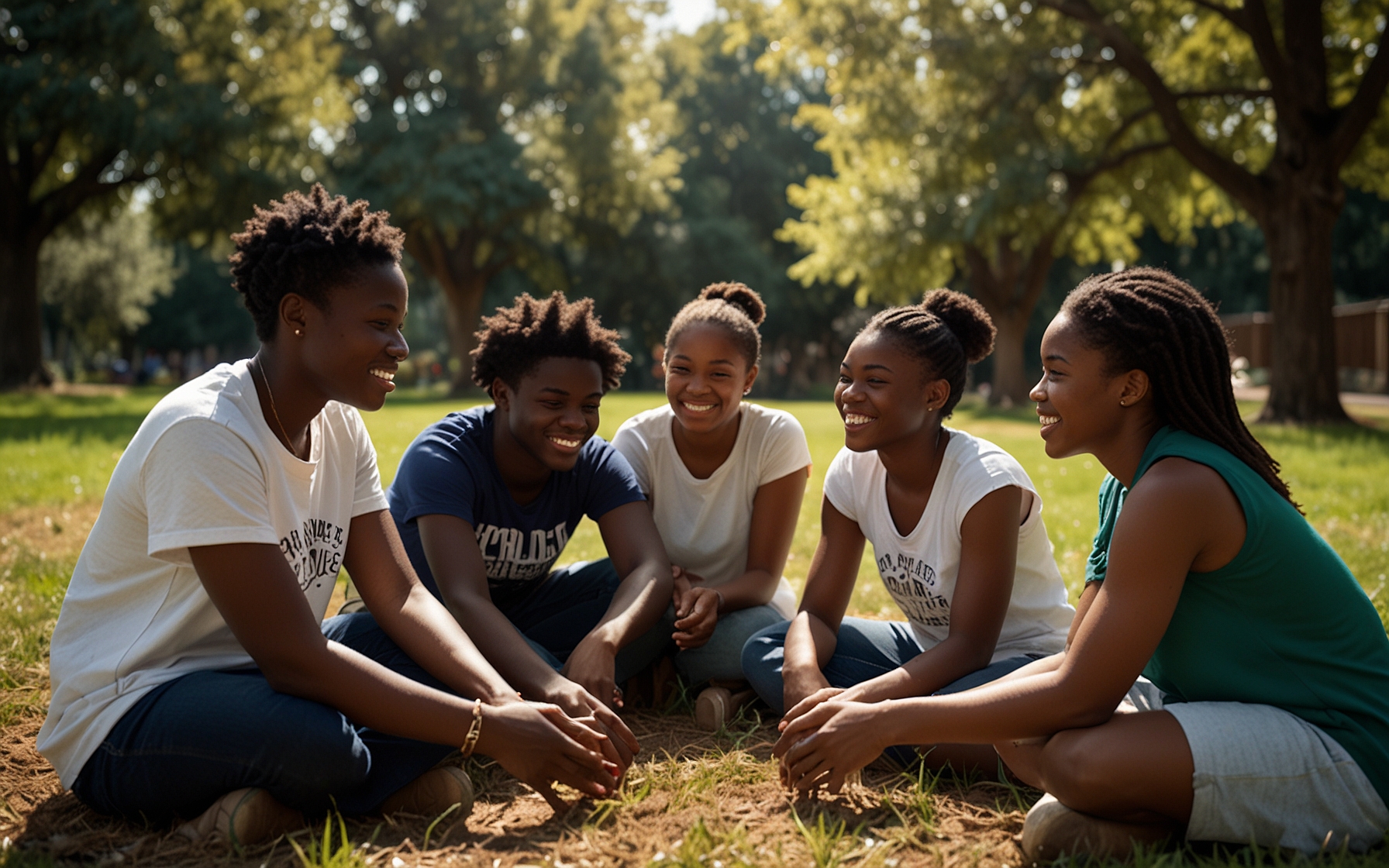
Empowerment is not a buzzword for our communities. It is how we build power with people, not on top of them. Across the African diaspora, among African American students, and with young adults who are shaping what comes next, empowerment turns everyday insight into action that sticks. This post explores how engagement is evolving, why student and youth programs matter, what leadership and networks look like today, and steps you can try now. The goal is simple. Lift ownership, share voice, and turn small wins into lasting change that keeps growing.
Why empowerment matters
When people own the process, they own the outcomes. That is the simple core of community empowerment. It centers voice, shared leadership, and committment to capacity building. It starts by asking what matters to the block, the campus, the diaspora network, then invites those same people to design the response. This approach sparks trust, and trust fuels momentum. It does not require huge budgets to begin. It asks for clarity, curiosity, and neighbors who want to try together and learn out loud as they go.
Social impact work often struggles when it skips lived experience. Empowerment flips that script. Instead of top down decisions, we see co creation, mutual accountability, and learning loops where folks test an idea, reflect, and try again. Culture is treated as an asset, not an obstacle. Small wins are celebrated because small wins stack into systems change. Safety and belonging are not extras, they are foundations. Without them, people dont take risks or share what they really think or need.
Evolving diaspora engagement
Diaspora engagement is moving from one way giving to two way bridges. People are linking skills, stories, capital, and care across cities and continents. Community initiatives blend local needs with global possibilities. You see partnership models where youth, elders, creatives, and entrepreneurs collaborate. Rather than one big project, many groups test pilots, learn fast, and scale what works. This keeps programs flexible when conditions shift, which they often do.
Another evolution is relational. Connections are less transactional and more about long term ties. Remittances matter, but relationships matter more. Diaspora hubs are creating spaces to learn, organize, and build opportunity together. Digital convenings make it easier to gather without borders, while in person circles keep the work close to home. The throughline is simple. Empowerment thrives where people can contribute thier strengths and see their ideas reflected in decisions.
Supporting students and young adults
Programs for African American students and young adults work best when they blend academic, career, and wellness support. Mentorship helps, especially when it is structured and consistent. Navigation support for financial aid and internships removes friction that quietly blocks progress. Microgrants unlock student led projects that classrooms cannot cover alone. Leadership labs let young people practice real decision making, not just hear lectures about it. Put together, these pieces strengthen both confidence and skills at the same time.
For young adults entering the workforce or launching ventures, empowerment looks like access plus agency. Peer networks that meet regularly build accountability and courage. Practial workshops on resumes, portfolios, and pitch practice turn ambition into traction. Safe spaces for conversations about identity and stress reduce isolation and burnout. Alumni connectors help bridge into internships and early roles. Community service that counts toward credits or credentials rewards the commitment many already have to thier neigborhood and campus.
Leadership and networking trends
Leadership is getting more distributed and shared. People are moving away from hero models and toward teams that rotate facilitation and value many styles. Mutual aid and community care keep showing up as real engines of resiliance. Storytelling has become a key skill, not just for marketing but for building understanding across difference. Online groups anchor quick collaboration while small in person circles deepen trust. Measurement is more participatory too, focused on learning not only compliance.
Strong networks mix roles and generations. Students, alumni, parents, educators, small business owners, faith voices, and artists each hold a piece of the puzzle. Best practices lean into clear norms, open doors for new members, and simple ways to contribute. Short cycles of plan, test, and reflect make it easier to adapt without losing focus. Clarity about who decides what avoids frustration. Transparency about funding and timelines keeps expectations real.
Actionable steps and deep dives
If you want to translate empowerment into daily practice, here are steps you can start with right away. They fit campus groups, diaspora coalitions, and youth led teams, and you can scale them up or down based on your capacity.
- Host a listening session where the community sets the agenda, then publish what you heard and what you will try.
- Create a rotating leadership circle so more people practice facilitation, budgeting, and conflict navigation.
- Offer a microgrant challenge that funds student or youth ideas with simple applications and quick decisions.
- Build a mentorship web that pairs near peers with younger members, and schedule monthly check ins.
- Map skills across your network to see hidden strengths, then form project crews that use those strengths.
- Run short pilots of programs, evaluate with participants, and keep only what works for them, not just you.
When you are ready to go deeper, design spaces that make learning visible. Try study circles that meet for a season and produce a short playbook others can use. Organize listening tours that visit campuses, community centers, and diaspora hubs to surface local priorities. Set up youth advisory boards with real decision rights over a slice of budget. Use participatory mapping to see how resources flow and where gaps live. Launch policy labs that connect student research with community questions. Build cross campus or cross city cohorts so people share what sticks.
The throughline across all of this is ownership. Empowerment grows when people can see themselves in the plan, steer the work, and benefit from the results. It honors the wisdom of the African diaspora, the drive of African American students, and the creativity of young adults ready to lead now. You do not need permission to begin, just clarity about purpose and neighbors willing to try. Start small, stay consistent, learn out loud, and invite others to shape the journey. That is how communities get stronger, together, one step at a time.
#empowerment #community #growth #leadership #diaspora